
Congee: Simple medicine in a bowl
- Charlie Foust
- Jul 7
- 3 min read
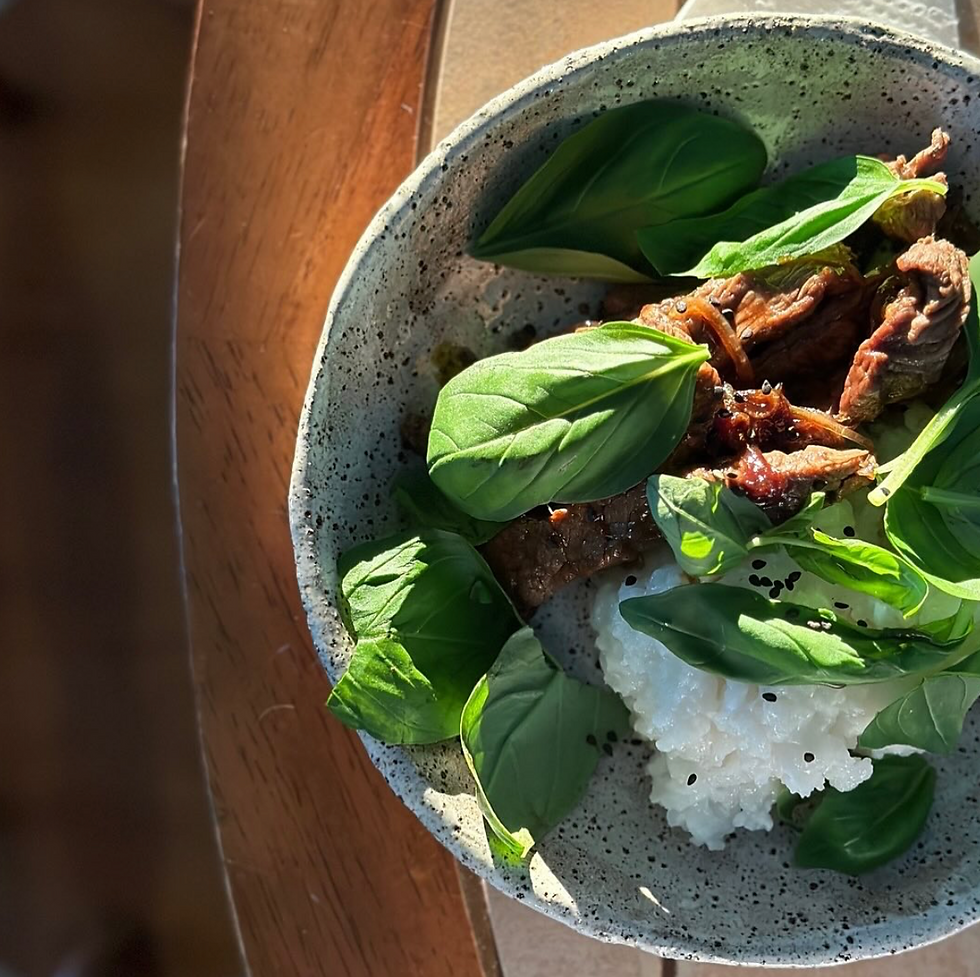
Congee is one of those quiet foods that does a lot of heavy lifting in the background. From a Chinese medicine point of view it’s warm, gentle support for your digestion, immunity and overall balance – especially as the weather cools and life feels a little fuller.
Congee (zhou) is a slow-simmered rice porridge that has been eaten across China and Asia for thousands of years. Traditionally it was both everyday nourishment and a healing food – the kind of meal you were given when you were recovering, depleted or needing to be deeply cared for.
In the classical Chinese medicine texts, congee is often described as a medicinal meal that “nourishes the centre.” The “centre” refers to the Spleen and Stomach – the organs that transform food into the Qi and Blood we rely on every day. When these organs are supported, everything else in the body tends to feel more steady.
Why congee is so supportive
From a TCM lens, the way congee is cooked matters. The grain is simmered slowly with plenty of water until it becomes silky and soft. This means the Spleen and Stomach don’t have to work as hard to break it down, and can receive nourishment without strain.
This kind of meal can help to:
Strengthen Spleen and Stomach Qi, supporting energy, appetite and comfortable digestion.
Gently build Qi and Blood, which is why congee is often used during recovery, postpartum or after long periods of stress.
Nourish Yin and fluids thanks to its high water content and moist, soothing texture.
Calm irritation in the digestive system by offering something simple, warm and easy to receive.
A simple base recipe
You can make congee with almost any grain, but the most classic version uses white rice. This is a soft, neutral base that is easy for most people to digest.
Basic rice congee
Ingredients
1 cup white rice (short- or medium-grain works well)
8–10 cups water or light broth
A small piece of fresh ginger (optional)
Pinch of salt
Method
Rinse the rice until the water runs clear.
Add rice and water/broth to a large pot. If using ginger, add it now.
Bring to a boil, then reduce to a very gentle simmer.
Cook uncovered for 1–1.5 hours, stirring occasionally, until the rice has broken down and the congee is silky and loose. Add more water if you prefer it thinner.
Remove the ginger if used. Season gently with a little salt and serve warm.
This base can be kept in the fridge and reheated with a splash of water over the next few days.
A couple of variations on a basic congee
Because the base is so plain, it becomes a beautiful canvas. You can “speak” to different patterns in the body by what you add: warming ginger or cinnamon in cold, damp weather; blood- and Yin-nourishing ingredients like black sesame, red dates or slow-cooked meats when you’re rebuilding; light, cooling toppings when it’s hot and your system is overheated.
1. Warming winter congee
This version is grounding and gently warming – lovely for cold hands and feet, low energy, or that sense of being a little run down.
Add while cooking or as toppings:
A few slices of fresh ginger
A handful of finely sliced spring onion or basil
A drizzle of sesame oil
Lightly cooked greens (like bok choy or silverbeet)
Optional: sliced beef or a small amount of slow-cooked lamb
From a TCM perspective, this combination helps warm the channels, support Spleen and Kidney Qi, and offers nourishment without heaviness.
2. Recovery and Yin-nourishing congee
This variation is more moistening and supportive for people recovering from illness, postpartum, or long periods of stress.
Add while cooking or as toppings:
Red dates (pitted and sliced)
Goji berries
Black sesame seeds
A drizzle of honey
A little steamed pear or apple on top
Here we’re gently building Qi and Blood and nourishing Yin, while still keeping the meal soft and easy to digest.
Bringing it into daily life
Congee doesn’t need to be complicated. You might:
Make a pot on Sunday and let it be your morning anchor for the week.
Keep the base plain and let each person in the family top their bowl based on how they feel.
Use it as your “reset” meal when digestion feels off or when you’re hovering on the edge of a cold.
Like many things in Chinese medicine, it’s not about perfection. It’s about small, consistent gestures of care. A warm bowl of congee on a cool morning is one of those gestures – calming, nourishing and quietly helping you stay closer to balance.
Book in if you'd like to chat more about easy ways to benefit from looking at your food from a TCM lens.
x,
Charlie


